

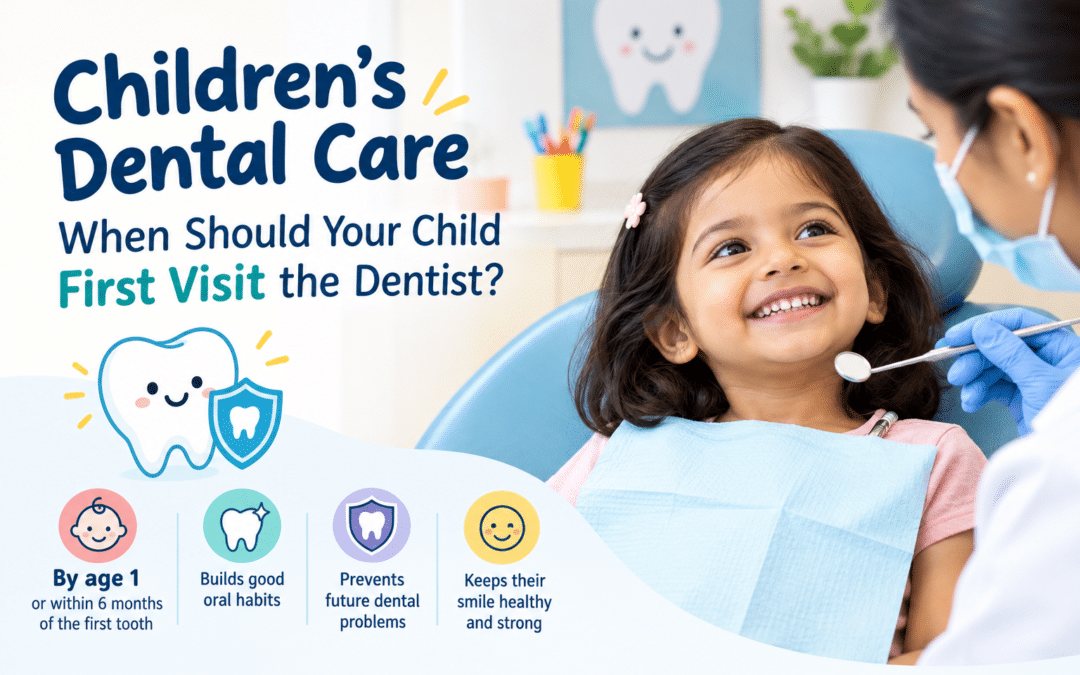
A child’s smile is precious, and protecting it starts earlier than many parents realise. Good children’s dental care is not only about treating cavities—it is about preventing dental problems, developing healthy oral-hygiene habits, and making children comfortable with visiting the dentist.
One of the most common questions parents ask is: “When should my child first visit the dentist?”
The answer is simple: your child should have their first dental visit by their first birthday or within six months after the first tooth appears, whichever comes first.
At Meenakshi Super Speciality, Madurai, Dr. Jibreel Oysul emphasises the importance of starting dental care early so that children can develop healthy teeth and positive dental habits from the beginning.
Why Is an Early Dental Visit Important?
Many parents believe that baby teeth do not require much attention because they eventually fall out. However, healthy primary teeth play an important role in a child’s overall development.
Baby teeth help children:
- Chew food properly and maintain good nutrition
- Speak and pronounce words correctly
- Maintain space for permanent teeth
- Develop healthy jaw and facial structures
- Build confidence through a healthy smile
Untreated dental problems in baby teeth can sometimes lead to pain, difficulty eating, infection, and problems affecting the developing permanent teeth.
An early dental visit allows the dentist to identify potential problems before they become more serious.
When Should Your Child First Visit the Dentist?
The ideal time for a child’s first dental check-up is by age one or within six months of the eruption of the first tooth.
This first visit is generally focused on prevention and guidance rather than extensive treatment. The dentist may examine your child’s teeth and gums, assess oral development, and discuss daily dental-care practices with parents.
It is also an opportunity to understand your child’s individual risk of tooth decay and learn how to protect their teeth as they grow.
What Happens During a Child’s First Dental Visit?
Parents do not need to worry that the first dental appointment will necessarily involve complicated procedures.
Depending on the child’s age and cooperation, the dentist may:
- Examine the teeth, gums, tongue, and mouth.
- Check for early signs of tooth decay or other oral problems.
- Assess tooth eruption and overall oral development.
- Discuss brushing and oral-hygiene practices.
- Provide advice about diet and sugary foods and drinks.
- Discuss habits such as thumb sucking or prolonged pacifier use.
- Explain fluoride use and other preventive measures when appropriate.
- Answer parents’ questions about their child’s dental health.
The goal is to make the visit informative, comfortable, and positive for both the child and parents.
How Can Parents Take Care of Their Child’s Teeth at Home?
Good children’s dental care begins at home. Parents can establish simple habits that protect their child’s teeth.
- Start Oral Care Early
Even before the first tooth appears, parents can gently clean the baby’s gums using a clean, soft, damp cloth.
Once the first tooth erupts, begin brushing with an age-appropriate toothbrush and fluoride toothpaste as recommended by the dentist.
- Brush Twice a Day
As children grow, encourage them to brush their teeth twice daily. Young children may not have the coordination to brush effectively on their own, so parents should supervise and assist them.
- Limit Sugary Foods and Drinks
Frequent consumption of sugary snacks and drinks can increase the risk of tooth decay. Encourage nutritious foods and make water the preferred drink between meals.
Avoid putting a baby to sleep with a bottle containing milk, juice, or other sugary liquids, as prolonged exposure can contribute to early childhood tooth decay.
- Avoid Sharing Toothbrushes
Children should have their own toothbrush. Parents should also avoid habits that transfer saliva, such as sharing spoons or cleaning a pacifier with their own mouth.
- Make Dental Visits Routine
Do not wait until your child develops tooth pain before visiting the dentist. Regular dental check-ups help identify problems early and reinforce healthy habits.
What Are the Signs That Your Child May Need a Dentist?
Apart from routine dental check-ups, parents should arrange a dental evaluation if they notice:
- White, brown, or black spots on the teeth
- Toothache or sensitivity
- Swollen or bleeding gums
- Difficulty chewing
- Bad breath that persists
- Tooth injury or a broken tooth
- Unusual changes in tooth colour
- Difficulty opening or closing the mouth
- Delayed or unusual tooth eruption
A dental problem does not always cause pain in its early stages. Regular check-ups can therefore be important even when your child appears to have healthy teeth.
How Can You Make Your Child Comfortable With the Dentist?
A child’s first dental experience can influence how they feel about dental visits in the future. Parents can help by keeping the experience positive.
Try these simple tips:
- Talk about the dentist in a positive and age-appropriate way.
- Avoid using words such as “pain,” “injection,” or “hurt” to describe dental treatment.
- Read children’s books about visiting the dentist.
- Avoid sharing your own negative dental experiences with your child.
- Let your child know that the dentist helps keep their teeth healthy.
- Choose a dental team experienced in caring for children.
The objective is to help children see dental visits as a normal part of growing up rather than something to fear.
Children’s Dental Care: Prevention Is Better Than Treatment
Good oral health starts with prevention. Teaching children to brush regularly, eat a balanced diet, limit sugary foods, and attend regular dental check-ups can help establish habits that last a lifetime.
Parents should remember that the first dental visit should not be delayed until permanent teeth appear. Early professional guidance can help detect dental concerns and give parents the information they need to protect their child’s developing smile.
When Should You Take Your Child to the Dentist?
If your child has not yet had a dental check-up, there is no need to wait for a dental problem to occur. Schedule an appointment with a qualified dental professional to assess your child’s oral health and understand their individual preventive-care needs.
At Meenakshi Super Speciality, Madurai, Dr. Jibreel Oysul provides guidance on children’s dental health, helping parents understand preventive care and the importance of establishing healthy oral-hygiene habits early.
Give Your Child a Healthy Start to a Lifetime of Smiles
Your child’s first tooth is an important milestone—and it is also the beginning of their dental-care journey. Starting dental visits early can help prevent problems, support healthy oral development, and make dental care a natural part of your child’s routine.
If you have concerns about your child’s teeth, oral hygiene, tooth eruption, or dental
FAQs:
Q1. When should a child first visit the dentist?
A child should ideally visit the dentist by their first birthday or within six months after the first tooth appears, whichever comes first.
Q2. Why is the first dental visit important for children?
It helps identify early dental problems, assess oral development, and educate parents about brushing, diet, fluoride, and preventive dental care.
Q3. How often should children visit the dentist?
The frequency depends on the child’s oral-health needs and risk of dental problems. Your dentist can recommend an appropriate check-up schedule.
Q4. Should baby teeth be treated even though they will fall out?
Yes. Baby teeth are important for chewing, speech, development, and maintaining space for permanent teeth. Dental problems in primary teeth should not be ignored.
Q5. How can parents prevent cavities in children?
Regular brushing with fluoride toothpaste, limiting sugary foods and drinks, maintaining a balanced diet, and attending regular dental check-ups can help reduce the risk of tooth decay.